
STONE-WORK
Collective achievement in Anglo-Irish architectural production, 1700-1800
Architecture is most often celebrated for its affecting designs and visionary architects, and not for the materials and hands that bring these ideas to life. STONE-WORK, a five-year project, funded by a European Research Council Advanced grant, aims to shift the spotlight to the untold story of stone – a journey from quarry to building site that highlights the essential roles of craftsmen, communities, and materials in the creation of architecture.
STONE-WORK proposes that every building is the result of a complex chain of actions involving many contributors, from quarrymen and suppliers to stonemasons and carvers. By tracing the path of stone from raw material to architectural elements – walls, floors, columns, and more – this research reveals the intricate web of skills, techniques, and collaborations that make construction possible.
Bringing together experts in architecture, craft history, and geology, STONE-WORK offers the first comprehensive look at how stone shaped the classical architecture of eighteenth-century Britain and Ireland. This project is a deep dive into the heart of architectural production, exploring how the relationship between material, design, and craftsmanship influenced not just individual buildings, but the communities that built them.
News
Christine Casey’s monograph Architecture and Artifice, exploring historic stonework and eighteenth-century crafted surfaces, has been shortlisted for the prestigious 2026 Berger Prize.

Events
Maritime Networks and the Northern European Stone Trade in the Eighteenth Century: Comparative Perspectives
Nele Lüttmann
June 26, 15.30
Archaeological Museum of Istria, Pula, also via Zoom
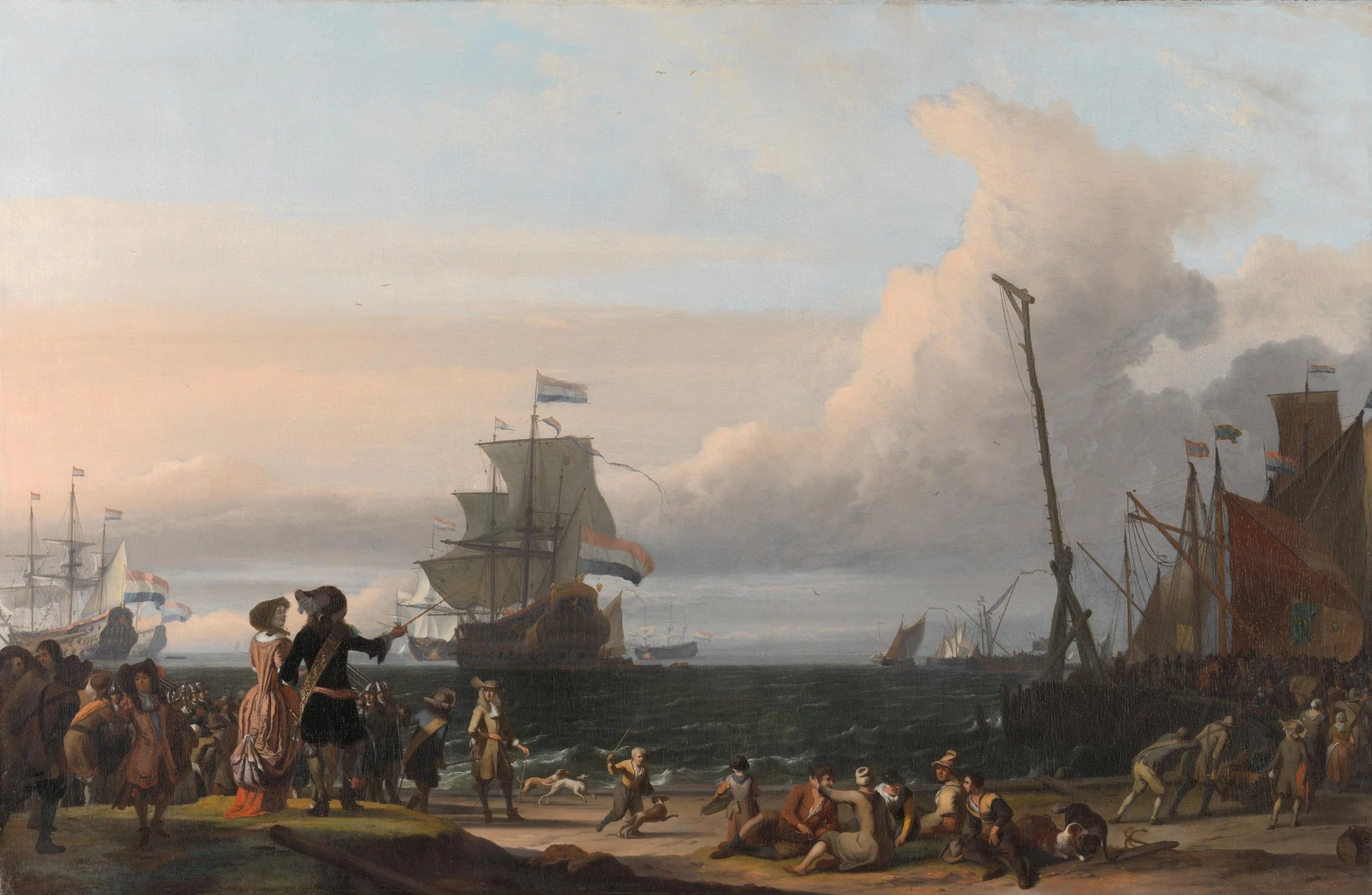
How did 18th-century merchants conquer the immense logistical risks of moving heavy stone across Europe’s volatile waterways? Grounded in the ERC-funded STONE-WORK project, this presentation juxtaposes the British Portland limestone trade with Dutch Mediterranean marble routes to reveal the material and legal infrastructures that built the early modern world.
Follow us on social media


Funding Statement
Funded by the European Union. Views and opinions expressed are however those of the author(s) only and do not necessarily reflect those of the European Union or the European Research Council Executive Agency. Neither the European Union nor the granting authority can be held responsible for them. This work is supported by an ERC grant (STONE-WORK, 10.3030/101096629).
